What Your Gluteus Maximus Knows That Your Scale Doesn't
You'll never guess which body part may reveal your Type 2 diabetes risk.
Look behind you. 👀
Yep, it's your butt....ahem, your posterior....your gluteus maximus....
You know, the largest muscle in your body, the one you sit on all day.
In a large UK study using 3D MRI scans, researchers examined how the shape of the gluteus maximus--not just its size--was linked to future risk of type 2 diabetes (T2D).
What they found suggests that muscle health is more nuanced than we knew.
And the story is different for men and women!
Not Just How Much Muscle—But What Kind
When we talk about muscle and metabolic health, we typically focus on quantity: muscle mass, lean mass, body weight, BMI....
This study asked more interesting questions: What about muscle shape and muscle quality?
Using MRI data from over 61,000 participants in the UK Biobank, researchers compared each person’s gluteus maximus to sex-specific reference templates.
Areas that bulged outward suggested muscle expansion, while inward dips suggested thinning or atrophy..
The results were fascinating.
Having rounder glutes was significantly associated with higher BMI, more physical activity, and increased grip strength. People with rounder glutes tended to be stronger and generally healthier.
They also had a lower future risk of developing type 2 diabetes.
Flatter glutes, on the other hand, were associated with aging, frailty, osteoporosis, more sitting time, and higher metabolic risk.
Here’s where it gets interesting.....
Same Disease, Different Butts
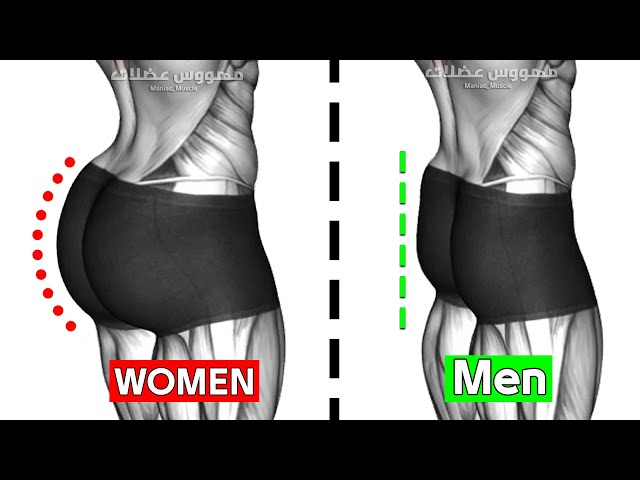
When researchers separated the data by sex, they found opposite patterns.
Men with type 2 diabetes tended to have flatter glutes, reflecting localized muscle thinning--classic atrophy.
Women with type 2 diabetes, however, showed outward bulging of the gluteus maximus, not from extra muscle, but likely from fat infiltration into the muscle tissue.
In other words, the same disease showed up as muscle loss in men and fatty muscle expansion in women.
That difference in shape surprised even the researchers.
What didn’t surprise them was this: people who started out with a larger, stronger gluteus maximus had a significantly lower risk of developing type 2 diabetes later, even after accounting for age, BMI, waist-to-hip ratio, and lifestyle factors.
Individuals with higher fitness, as measured by vigorous physical activity and hand grip strength, also had a rounder GM shape.
Aging, frailty, and long sitting times were linked to muscle thinning, aka "flat butt syndrome."
Why This Matters (Beyond the Rear View)
MRI scans of your glutes aren’t coming to routine checkups anytime soon.
This study reinforces something exercise professionals have been saying for a long time:
💪 BMI alone doesn’t tell you whether you're strong or functional.
💪 Weight loss alone doesn’t guarantee better metabolic health, especially if it comes with a loss of muscle.
💪 Muscle quality matters just as much as muscle quantity.
We know for sure that strength, function, and resistance training deserve a much bigger role in how we think about long-term health.
The researchers concluded that greater health focus needs to shift from solely weight loss and body fat to maintaining healthy muscle mass.
Because your muscles don't just move you.
They help regulate blood sugar, protect metabolic health, and leave clues about your future risk of disease.
Who knew some of those clues were written on your backside?
