The Longevity Trio You Need to Know
When it comes to aging well, people tell me they focus on staying active, walking regularly, and avoiding too much time sitting.
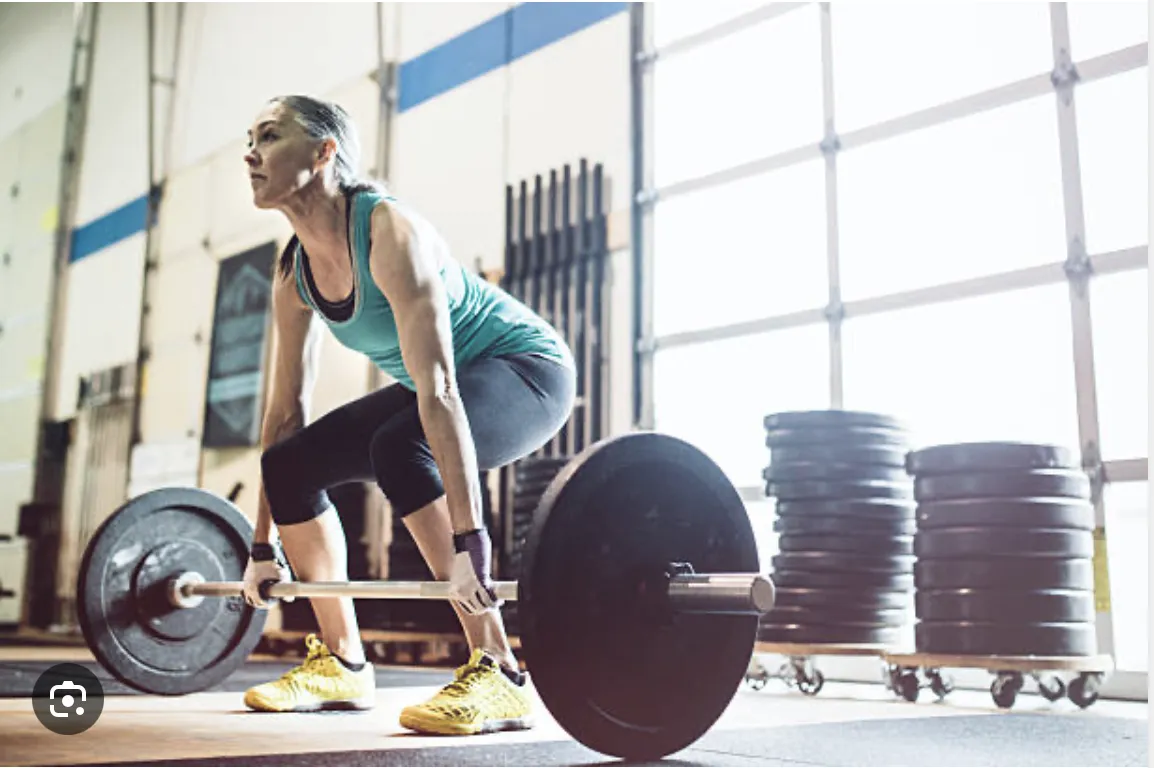
That's great, but according to a new longevity study, the most critical element is strength.
The study followed more than 5,000 women aged 63 to 99 to understand what contributes to longer, healthier lives.
Researchers examined a range of factors—overall health, activity levels, walking ability, and muscle strength--and were surprised to discover that strength stood out as a powerful, independent predictor of longevity.
Stronger women had a 30% or greater reduction in risk of early death, regardless of how much they exercised or how aerobically fit they were.
This study is the first to separate strength from overall fitness, which led to the discovery that if two women had similar activity and fitness levels, the stronger one was more likely to live longer.
Strength isn’t just helpful because it allows you to move better. It may play a direct role in how your body ages.
You don't need to become a powerlifter.
The strongest women in the study weren’t athletes. Their strength levels were solid but very achievable.
Researchers used simple, practical tests: grip strength and the 5-times-sit-to-stand test, which measures how quickly you can stand up and sit down 5 times (the fastest 5-times-sit-to-stand times were around 11 seconds).
Even after accounting for walking habits, overall fitness, and health status, women with greater muscle strength were significantly less likely to die during the study period.
Why is strength training so impactful?
Brisk walking is good for cardiovascular health, but it doesn't build or preserve muscle strength, which we start losing in our 30's.
👉That's called sarcopenia.
Not only does strength training make your muscles stronger, those muscles pull on your bones, which can prevent bone loss.
👉That's called osteopenia, or in severe cases, osteoporosis.
There's a third issue most people don't know.
Muscular power--your ability to move quickly and explosively--is the number one predictor of age-related functional decline and mortality.
It fades quicker than strength or muscle mass.
👉That's called powerpenia, the loss of quickness or explosiveness. It's considered to be a major driver of falls, loss of independence, and overall decline.
Powerpenia is now considered to be a key biomarker of healthy aging, more than sarcopenia alone.
A 2022 meta-analysis of older adults found that power training delivers greater gains in physical function compared to traditional slow strength training.
Why can't you multitask your workout?
1️⃣ Strength, power, and endurance use different energy systems, so they can't be combined into one workout.
2️⃣ Those silly "weight bracelets" women are wearing on their walks aren't heavy enough to build any muscle--just enough to make you tired and slow you down.
3️⃣ Rushing from one set to the next in a strength workout "to keep your heart rate up" only reduces the intensity of your strength training.....with no meaningful cardiovascular benefits.
4️⃣ Power training has its own particular protocol for reps, sets, and rest, all very different from regular strength training.
Before you start feeling overwhelmed, remember that it doesn't take a lot of time, just a bit of planning.
Prioritize at least 2 days for strength training and either join a power training session or add some power training to your strength training.
The goal is 150 minutes of exercise/week, regardless of how you spend those minutes.
Whatever you do, stay strong!
