“This Sounds Dangerous”
What does getting old look like?
Did you imagine someone who’s frail, bent over, and moving slowly, more like shuffling, who seems like a fall risk?
If we live long enough, that’ll be all of us, right?
Not so fast!
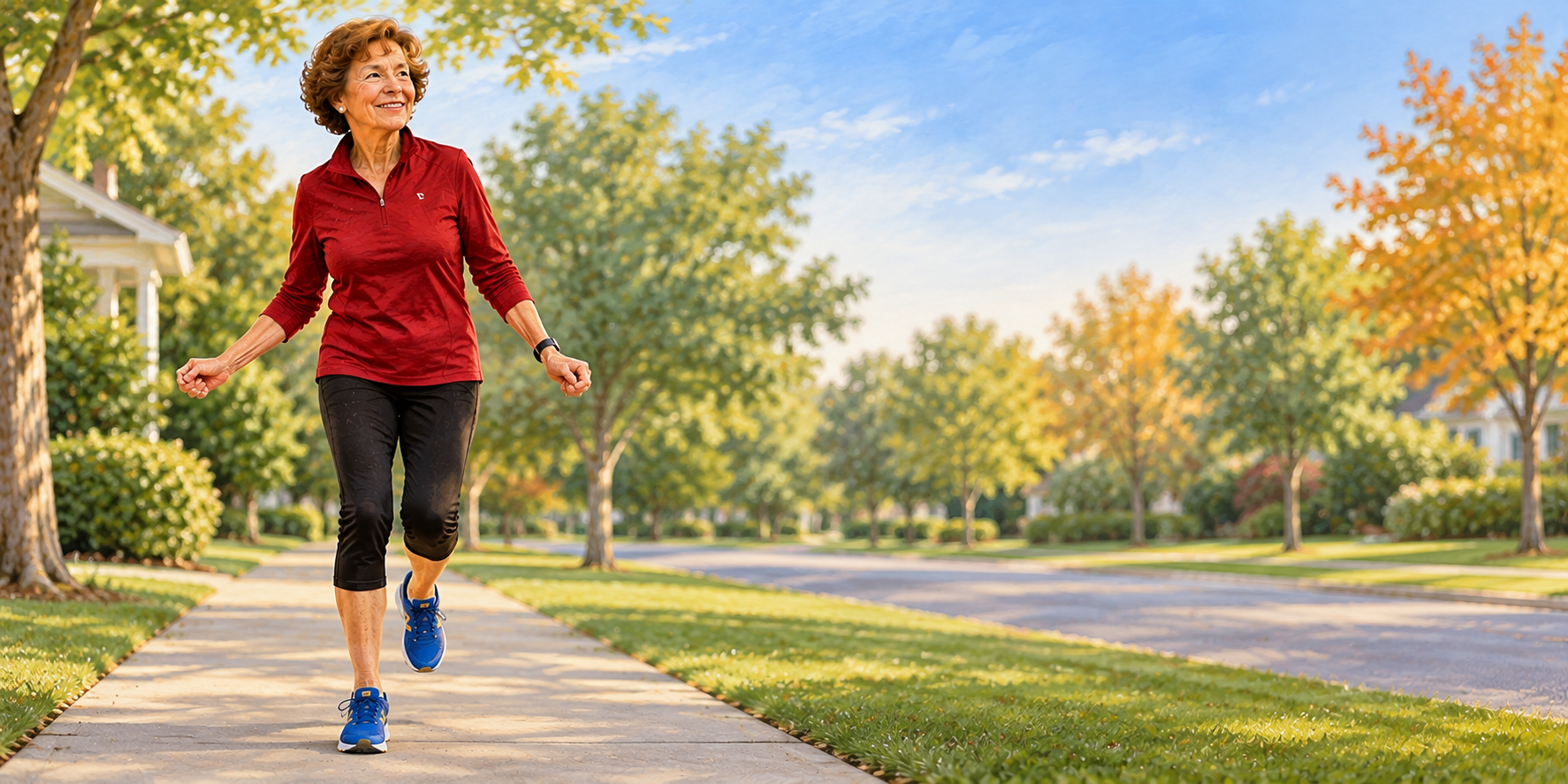
Research is finding that we can make dramatic improvements in mental and physical functioning. A new study found that a vigorous walking program can not only slow the progression of frailty—it can reverse it!
This study recruited a diverse group (both affluent and low-income), all classified as frail or pre-frail, from 14 Chicago-area retirement communities. They were, on average, 79 years old, mostly sedentary, and nearly two-thirds used walkers or canes.
Three times a week, they did 45-minute walking sessions. For the first month, everyone simply got better at walking, gradually increasing intensity.
Then, one group was encouraged to aim for more than 70% of their maximum heart rate by walking as fast as they safely could. The other group walked the same length of time, but at a relaxed pace.
Retested after 16 weeks, nearly 70% of the fast walkers were less frail than when they started. They also:
reduced their risk of frailty to nearly three times lower than that of the casual walking group
walked faster and farther
took nearly 1,000 more steps per day than the casual walking group (a big jump, considering that frail adults average under 2,000 a day).
In the over 3,300 exercise sessions, there was only one fall and no injury.
Are our expectations all wrong?
The lead author of the paper said, “You go to a senior center, and all the exercise classes are seated. We are not actually giving them the intervention they need to get better.”
She believes that our assumptions about older adults are holding them back. In fact, some retirement communities declined to participate in the study, saying, “This sounds dangerous.”
This study found that frail older adults can safely exercise vigorously. It can make them stronger, faster, and more independent.
I've seen it happen right here at TrainSmarter…
My N of 1
About 6 weeks ago, a new client joined us, looking to work on her balance. She was unsteady, using a walker at home, and afraid of falling (again).
She’d been a regular exerciser, plowing the way for women in the weight room—and winning a bench press award!— and running, but that was decades ago. In the last few years, she’d resorted to using some weight machines.
When I asked her about the exercises she’d been doing for her lower body, she said, “None! They hurt my knees!”
So we started with addressing the knee pain. Her right foot turned out, and her knees turned in, so we started with hip strengthening and learning how to do lower body exercises by using the hip preferentially to the knees.
The knees and foot responded beautifully.
Soon, it was Power Week. I asked her to do a little jump.
She was shocked that she couldn’t do it. Her feet were glued to the ground. Once she held onto TRX straps so she wouldn’t be afraid of falling, she gained the confidence to try. And she did it!
We tried skipping. It took some practice, but she got the hang of it. I realized that being weak had caused her to shuffle, which is common. She was no longer using her ankles and calves. Again, fear of falling held her back, but we took it slow and easy. Once she gained confidence, she was able to do it.
We were training muscle fibers that she hadn’t been using, but are crucial for moving confidently, especially moving quickly. They’re critical for reacting when something unexpected happens, whether it’s catching yourself when you stumble or quickly changing direction.
You need the muscle fibers AND the neural connections for your brain to tell your body to move fast.
Fear of falling can increase the risk of falling. We’re working in ranges that challenge her balance in a safe manner.
In just six weeks, she’s gone from moving slowly and being afraid of falling to skipping and jumping. She moves with greater confidence and is physically better prepared to weather any illness that might slow her down.
Last week, she asked, “Can I try bench pressing 50 pounds just once?”
She did it 5 times!
Oh, by the way, she turned 88 yesterday!
Do you know someone who’s being under-challenged?
Is it you?
Frailty isn't an inevitable tax on aging. It’s often at least partly the result of under-challenging our bodies.
Age isn't the limit. Our expectations are.
Exercise that feels safe and comfortable isn't always exercise that helps us improve. Seated classes and machines, and walking that’s really strolling, feel safe, but they won't build the strength, speed, and power we need to stay strong and independent.
Try it
Add speed to your walk. Pick up the pace to as fast as you can safely go for a few minutes at a time, then ease back. Build up gradually.
Work on your hips and legs. Strong legs help you get up, climb stairs, and recover your balance. If knee pain is limiting you, get some guidance on how to strengthen your lower body without aggravating it. Yes, it’s possible!
Add power slowly. Try rising quickly from a chair, or a little heel raise with support nearby. If you have a history of falls or joint pain, work with a coach or trainer before trying movements like jumping or skipping.
A few caveats
If you're frail, have a heart condition, or have other health concerns, get medical guidance before increasing your exercise intensity. If you're worried about falling, don't attempt challenging movements on your own.
But don’t let “this sounds dangerous” be the reason you don’t start.
So, what does getting old look like?
Maybe it looks like skipping.
