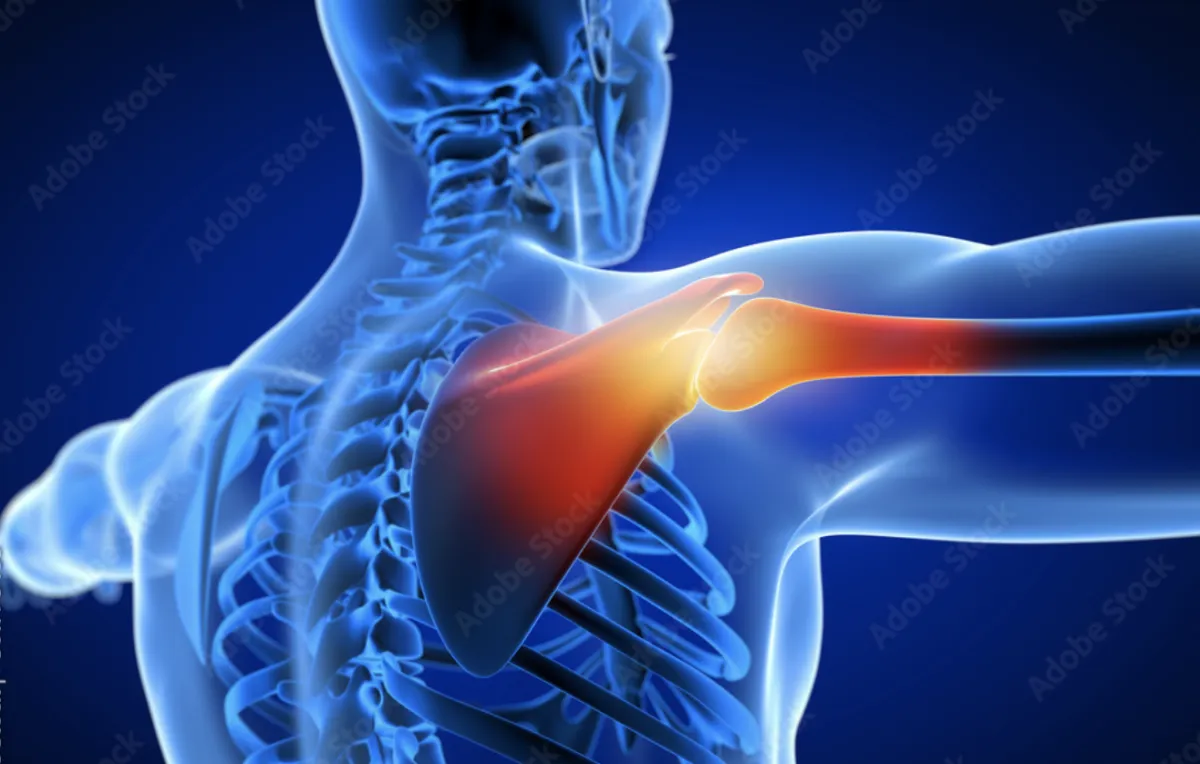
When Do You REALLY Need Shoulder Surgery?
We're an impatient society. We're conditioned to look for the "quick fix," which often means resorting to surgical interventions when often time and motion are the best fixes of all.
Medication, MRIs, and orthopedic surgeries are overprescribed.
MRI results can be scary but they find hip and shoulder tears in people who are asymptomatic.
About 23% of patients who have rotator cuff surgery don't heal properly and 80% of people who have surgical rotator cuff repair have re-tears. (which may or may not be symptomatic)
A study of 167 shoulders found, "conservative treatment is a reasonable option for the primary initial treatment for isolated, symptomatic, nontraumatic, supraspinatus tears..." Supraspinatus is the most commonly injured rotator cuff muscle.
Muscle atrophy is a big issue.
The shoulder can't fully recover with or without surgery in the absence of the right kind of strength training.
Aaron Sherrill, our go-to physical therapist, said recently that physical therapy programs for shoulder rehab usually lack the intensity and volume that active people need.
To protect the shoulder, you need to develop strength and muscle mass around the entire shoulder--not just those dinky rotator cuff band exercises.
If you don't exercise, surgery will preserve the muscle longer than nosurgery. But, surgery isn't necessary to preserve the muscle.
Surgery doesn't grow muscle--it inhibits it.
You have to resistance train regularly.
What about labrum tears?
A labral tear developed over time can be rehabbed because it likely developed as a result of faulty movement patterns. The research supports non-operative care for non-traumatic labral tears.
What about recurrent shoulder dislocations?
Conservative treatment might be enough for a non-athlete but If a few months of serious strength training doesn't resolve the issue, surgery may be the best route.
Aaron's had 2 rotator cuff tears, one treated with surgery and one rehabbed without. The non-surgically treated shoulder is his better shoulder and he wishes he hadn't resorted to surgery.
He's quick to say, "The research indicates....." because every situation is different and someone with a shoulder injury has to make the best decision for them.
Still, he feels that surgery should be treated as a last resort and pain and imaging are poor guides for your health.
To paraphrase Aaron:
A lack of pain doesn't mean you're fully recovered.
And a tear on an image doesn't mean you are broken.
If you're looking for a PT, Aaron is the best. I spent a long time looking for great physical therapy and was disappointed every time. I've seen Aaron work miracles with people. Let me know if you'd like more information about Aaron and MoveWell.
