April Is Parkinson's Awareness Month. Here's Some Good News To Celebrate!
My son-in-law is a retired Golden Gloves champion boxer. His dream was to someday have his own boxing gym.
He never dreamed his most gratifying work would be his program for people with Parkinson's, Rock Steady. Watching his clients move and have fun has been one of the great joys of his life.
Parkinson’s disease affects over 8.5 million people worldwide. Cases are skyrocketing and expected to double by 2030.
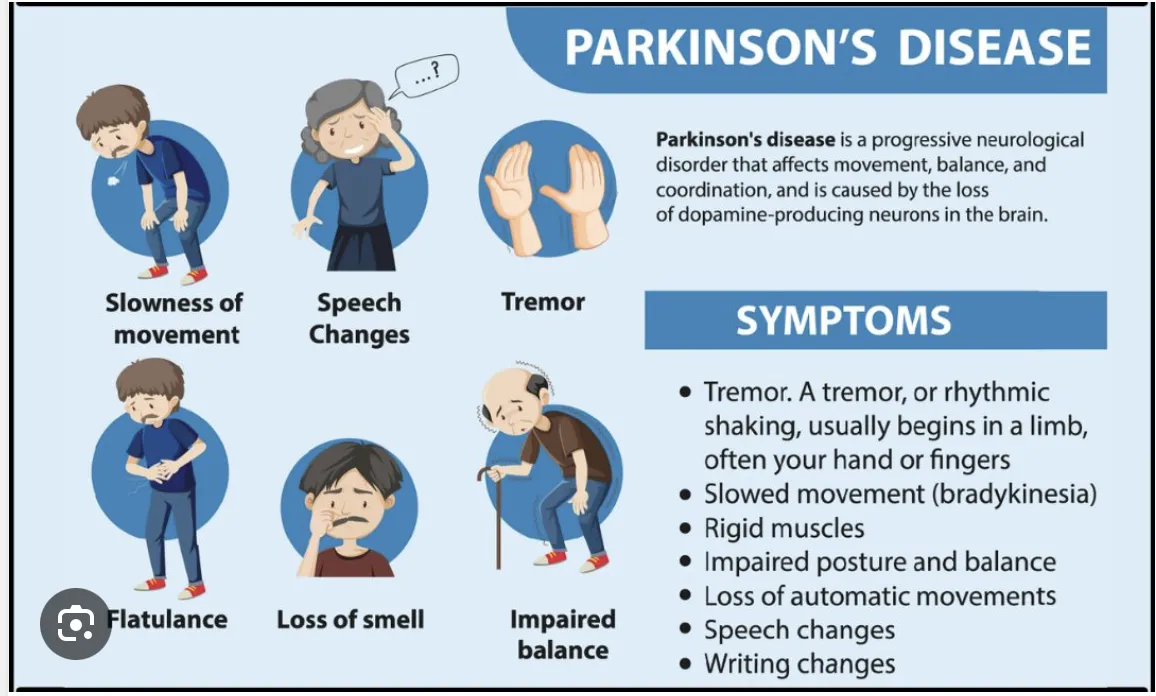
By the time Parkinson's is diagnosed, the disease has been developing in the body for decades. That window before classic symptoms appear is called the "prodromal" period.
Certain "red flags" can be recognized in this early stage:
A fading sense of smell
Ongoing constipation
Daytime sleepiness
IBS
Trouble swallowing
If Parkinson's runs in your family and you've noticed some of these symptoms creeping up over time, it's worth a conversation with your doctor.
Once the classic symptoms of tremor, stiffness, and trouble walking show up, the brain has already lost a significant number of dopamine-producing neurons, the ones that help control movement, motivation, and a general sense of “get up and go.”
Some researchers believe Parkinson's may begin in the gut decades before it spreads to the brain, which would explain why digestive symptoms show up so early.
That makes gut health important. Minimizing NSAIDs (like Advil), limiting alcohol, and avoiding ultra-processed foods are worthwhile steps for anyone, but for those with a family history of Parkinson's, they carry extra weight.
Good news: exercise is a game-changer.
I know, "exercise more" sounds like the most boring advice on the planet. But it works.
Exercise is one of the most studied interventions for Parkinson's, and the data is impressive.
Just 1-3 hours per week of moderate to vigorous exercise (biking, swimming, running, tennis) reduced the risk of developing Parkinson's and slowed disease progression in people already diagnosed.
Few drugs can claim both of those things foranydisease!
One study of over 200,000 people found that those who exercised just 1-3 hours per week in their 30s had a significantly lower risk of developing Parkinson's later in life.
Women saw up to a 39% reduction in risk. Men saw up to 17%.
The more hours per week, the better the numbers got.
Many types of exercise are good for our health, but to reduce Parkinson’s disease risk, light activity, such as walking or bowling, is less protective.
The greatest benefit comes with moderate to vigorous physical activity. Consult with your physician about the appropriate regimen for your needs.
Six months of regular intense exercise appeared to improve the health of dopamine-producing neurons--the neurons Parkinson's destroys.
Exercise regimens that improve balance, such as dancing or boxing, can be great for people at higher risk of falls.
The "Joy" Effect of Dance
Many people with Parkinson’s struggle with depression--not because of a tough diagnosis. It’s neurochemical.
Standard antidepressants targetserotonininstead of dopamine, which is why they don't always hit the mark for PD-related depression.
Enter: Dance. A recent study found that weekly dance classes significantly improved depression markers in the brain. Dance helps because:
It’s physical: It gets the heart rate up.
It’s cognitive: You have to remember steps and coordinate movements.
It challenges balance and coordination
It’s social: It breaks the isolation that often comes with chronic illness.
We're evolutionarily hardwired to find rhythm and dance rewarding.
It triggers a massive dopamine hit that most medications can't replicate.
Balance, strength, and confident movement are things we can all use.
So close the blinds, find a song you love, and move. Nobody said you have to be a good dancer to do your brain some good.
