"Nature's Ozempic" or Marketing Hype? The Facts and Exaggerations About Psyllium
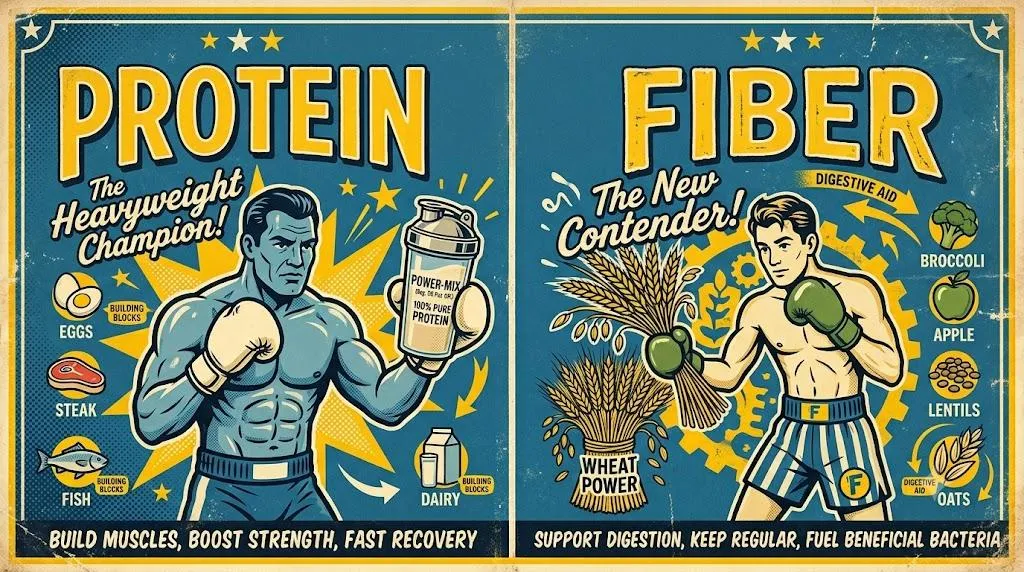
Protein has had a good run. For the last few years, it felt like every food, drink, and snack bar on the shelf was competing to tell you how much protein it packed in.
Protein Pop-Tarts, anyone?
Nutrition trends don’t sit still for long--remember high carbohydrate? Whole 30? Paleo? Fiber is said to be next in line for the spotlight with psyllium husk leading the charge.
You may have seen it called “a miracle supplement for your gut,” or, more boldly, “nature’s Ozempic.”
Yeesh! ....speaking of marketing....
Strength coach Dan John, whose training philosophy I’ve followed and respected for years, has been a longtime proponent of it. I’ve been eyeing it myself, mostly with an eye toward keeping my cholesterol in check.
Most trendy supplements have few proven health benefits--except for those who sell them. Psyllium husk is a rare exception that’s backed by solid clinical evidence.
So is psyllium husk worth the hype, or will it simply be the latest approach for selling new products? Let’s see what the research says.
What is psyllium?
Psyllium husk comes from the seeds of a plant grown primarily in South Asia.
When psyllium comes into contact with liquid, it expands and absorbs water to form a viscous, gelatinous substance called mucilage.That makes me think of the glue we used in elementary school...
That gel-forming quality is the mechanism behind pretty much everything psyllium affects in your body, whether that’s your gut, your bloodstream, or your appetite.
It’s sold in different ways: whole husks (coarse and fluffy), ground into a fine powder, or in capsule form. They all work similarly. Texture and mixing preferences come down to personal preference.
Where the Evidence Is Strongest: Digestion
Psyllium is considered the go-to fiber supplement among gastroenterologists, with solid evidence supporting its use for both constipation and irritable bowel syndrome.
Interestingly, it works for both constipation and diarrhea, which sound like opposite problems. As it moves through your digestive tract, psyllium absorbs water and forms a gel that softens and bulks up stool, helping things move along if you’re constipated.
That water-absorbing property also helps firm things up if you’re dealing with diarrhea, since it’s pulling excess fluid out of the gut. It’s more gentle than a lot of other fiber supplements when it comes to gas and bloating. Most gut bacteria aren’t good at fermenting it, which typically produces those uncomfortable side effects.
Cholesterol and Blood Sugar: Real, but Modest
Cholesterol is my primary interest because despite my healthy eating and exercise habits, I know that women’s cholesterol tends to increase after a certain age.
A 2018 analysis pooling 28 small trials found that people taking about 10 grams of psyllium daily for at least three weeks saw some reductions in LDL cholesterol. The mechanism makes sense: the fiber binds to bile acids (which your body makes from cholesterol) in your intestines, helping usher them out of your system, which helps lower the cholesterol circulating in your blood.
A 2024 review found a similar modest effect on blood sugar, primarily in people with type 2 diabetes or related conditions. Psyllium slows carbohydrate digestion, which smooths out the glucose spikes that follow a meal.
The caveat here is that these are small, meaningful improvements, not a replacement for a fiber-rich diet built on whole grains, legumes, nuts, seeds, fruits, and vegetables. If you’re already eating well and just looking for an edge, psyllium can help.
It’s not a substitute for eating well in the first place.
Weight Loss: The Hype Outpaces the Data
Given the “nature’s Ozempic” nickname, this may be the claim most people are interested in, and the one with the weakest evidence behind it.
Psyllium expands in your gut and slows carbohydrate digestion, which can make you feel fuller for an hour or two after taking it. But a 2020 review of 22 small trials, most involving adults classified as overweight or obese, found that psyllium worked no better than a placebo for reducing body weight or waist circumference.
A Few Other Benefits Worth Mentioning
Beyond digestion, cholesterol, and blood sugar, there’s additional research suggesting psyllium and fiber generally may help with increasing insulin sensitivity, modestly reducing blood pressure, supporting immune function, and decreasing chronic inflammation.
Some research has even connected higher fiber intake to longer telomeres — the protective caps on the ends of your chromosomes that are linked to biological aging. That’s an interesting finding worth keeping an eye on as more research comes out, even though it’s not yet a reason to take psyllium on its own.
Are You Getting Enough Fiber?
Most of us fall well short of recommended fiber intake. The general guideline is roughly 14 grams of fiber for every 1,000 calories you eat, which works out to approximately 38 grams a day for men and 25 grams for women. Few people hit that number through food alone.
A few practical notes if you want to give it a try:
Take it with plenty of water— at least one to two cups per dose, since psyllium’s whole mechanism depends on absorbing liquid. Without enough water, it can harden in your intestines rather than forming the gel that makes it useful, potentially causing cramping or constipation instead of relieving it.
Drink It Immediately--once mixed into water, psyllium thickens within 3 to 5 minutes. Down it right away before it turns into thick sludge! (Or stir it into oatmeal, overnight oats, or yogurt instead).
Start Small--don’t jump straight to a full dose. If your body isn’t used to high fiber, start with 3 to 5 grams (about 1 teaspoon) a day for the first week, and gradually work your way up to 10–15 grams per day split across multiple doses.
Timing matters if cholesterol or appetite is your goal— taking it roughly 30 minutes before a meal is a common approach for both cholesterol management and increased satiety.
Take it apart from medications— psyllium can interfere with drug absorption, so take it about two hours before or after any medications or other supplements.
Some people should be cautious— if you have a condition like gastroparesis (slowed stomach emptying) or a history of bowel obstruction, talk to your doctor first, since psyllium carries some risk of getting stuck in the digestive tract for people with those conditions.
You can take it in its plain, unflavored form, or in a sweetened, flavored version like Metamucil. Mixing the powder into smoothies, oatmeal, or muffins is another easy way to work it in if drinking it straight isn’t appealing.
At the end of the day.....
I eat plenty of fiber-rich whole foods, so for me, this comes down to what my next cholesterol panel reports. If I’m not happy with the numbers, I’ll be testing it out on myself.
I’ll also be keeping an eye out for research results on its effects on chronic inflammation, immunity, and telomeres.
If psyllium turns out to be the real deal for any of those, I’m always willing to be guinea pig—and to report the results ASAP!
