Rethinking Calcium Supplements In the Light of New Information ......
"That vitamin K2 has been working great for my muscle spasms!"
That's what I heard from a couple of clients after their workout this week. It's worked great for me, too. (I wrote about it here)
That conversation led to other supplements people were taking, particularly calcium--which I don't take.
Somewhere along the way, I learned that calcium from foods was better than calcium supplements and more recently learned why. I'm glad I trusted my instincts.
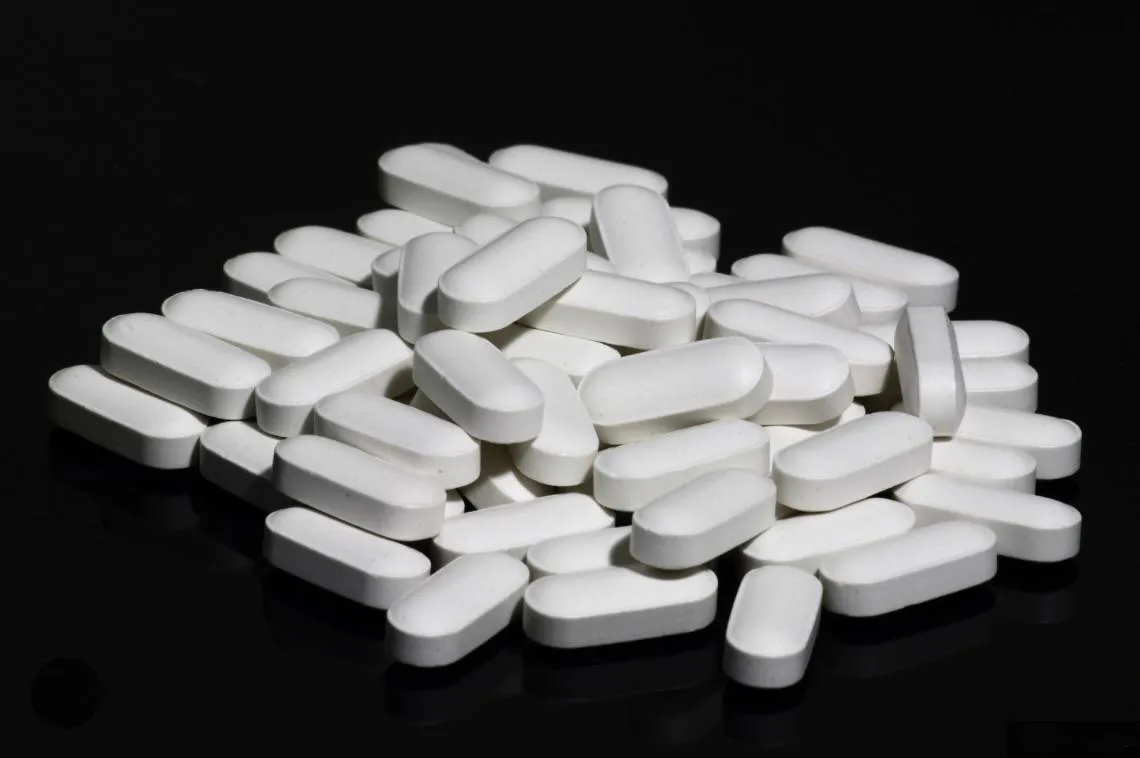
A landmark study found that calcium supplements taken without vitamin D were associated with an increased risk of heart attack. A follow-up analysis suggested the risk persisted even when vitamin D was added.
Getting too much calcium from supplements (generally over 1,000 mg per day--or if taken when you already get at least 805 mg of calcium from your diet) may increase the risk of heart attack and stroke.
Calcium supplements increase the risk of kidney stones in postmenopausal women.
The problem with calcium supplements
It comes down to howyour body handles calcium.
When you swallow a calcium supplement, you get a dramatic spike in blood calcium levels--something your body isn't designed to handle.
Over time, those spikes may contribute to calcium being deposited where you don’t want it--in your blood vessels--causing arterial calcification (stiffening of the blood vessels) and increasing clotting risks.
Calcium from whole foods doesn’t behave this way.
When you eat your calcium, your body processes it slowly and naturally. The spike you get with supplements disappears when your nutrients come from a plate instead of a bottle.With a little planning, you can get close to the ~1,200 mg calcium target without opening a bottle.
Think in "300s"
If you get four "300mg" servings throughout the day, you’ll hit your goal.
1 cup of milk (any kind--whole, 2%, skim) ~300mg
6 oz container of plain Greek yogurt ~200mg
1½ oz of cheddar cheese ~300mg
3 oz sardines (with bones--essential for the CA boost!): ~325mg
1 oz Parmesan cheese (the "Gold Standard" of cheese): ~330mg
½ cup cooked broccoli ~90mg
2 string cheeses ~200mg
1 cup cooked white beans ~150–160 mg
Small glass of fortified orange juice ~350mg
1 cup fortified oat milk ~350mg
1/4 cup roasted almonds: ~95mg
1 cup fortified almond milk ~400mg
2 T. chia seeds ~180 mg
2 dried figs ~55mg
Spinach, while high in calcium, contains oxalates, which can hinder absorption. Vegetables like kale, bok choy, and broccoli have better absorption rates than spinach.
One of our clients asked me about AlgaeCal. According to Consumer Lab, "there's no proven clinical advantage with this source, and it doesn't justify the premium price."
If you're taking a calcium supplement.....
You can't absorb more than about 500 mg of calcium at a time. Consider limiting supplement intake to 500 mg or less at a time and less than 1,000 mg total per day.
Be sure you're getting enough vitamin D, which is necessary for your body to absorb and use calcium from both foods and supplements, and may reduce some of the risks associated with calcium supplements.
Which brings us back to Vitamin K2....
Not only does it effectively prevent leg cramps, it may help direct calcium into bones instead of arteries.
"...vitamin K2is associated with the inhibition of arterial calcification and arterial stiffening, which means that increased vitamin K2intake could be a means of lowering calcium-associated health risks."
We created our SPIRE program to provide a roadmap for bone health that matches modern science.
While a pill is easy to swallow, nothing replaces the power of heavy lifting and a plate full of real nutrients.
We’re here to help you navigate both, ensuring your heart stays as healthy as your bones are strong!
