Clear Protein: What It Is, Who It Helps, and When It Makes Sense
You may have noticed a new kind of protein drink popping up everywhere--clear, juice-like, and often neon-colored.
“Clear protein” isn’t new, but it’s having a moment. Like most nutrition trends, it’s nothing special. It’s simply another tool that can be useful in the right situation.
Clear protein is protein powder in a different form.
Traditional shakes use whey protein concentrate, which is about 80% protein and contains some fat and carbohydrates. Those extra components give shakes their creamy texture and cloudy look.
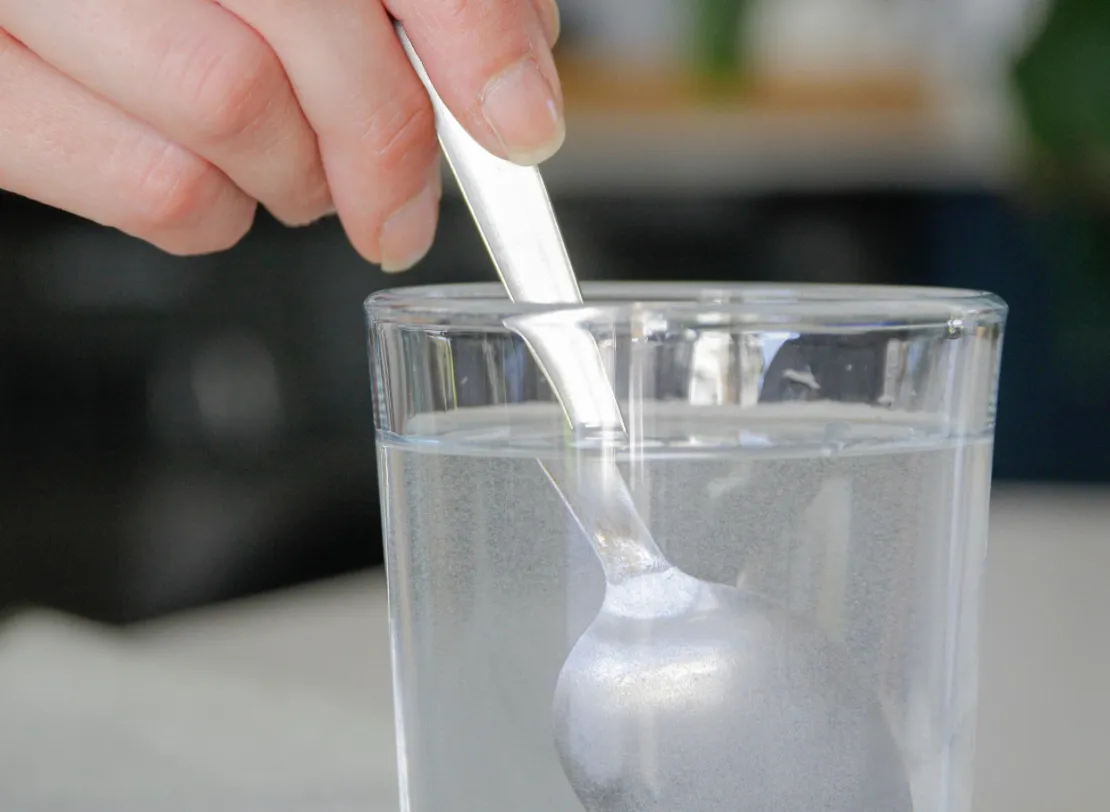
Clear protein uses whey proteinisolateinstead. Most of the fat and carbs have been removed, leaving a product that mixes into a thin, transparent drink rather than a thick shake. It typically contains around 20–25 grams of protein per serving, with minimal calories from anything else.
Because of that stripped-down profile, the experience is different. Instead of chocolate or vanilla milkshake vibes, flavors tend to be fruity--lemonade, berry, or tropical blends.
You can buy clear protein powder in tubs, resealable bags, and single-serving packets, or ready to drink.
This protein is "sparkling"!
Some people love the lighter feel, especially if traditional shakes sit heavy in their stomach.
To beclear(see what I did there?), clear protein isn't better or worse than other protein supplements. It’s just different.
It’s been used in medical settings where patients need protein but can only tolerate clear liquids.
Interestingly, since it's clear, it may be an option for nutrition when you're on a clear-liquid diet before medical tests, like colonoscopies.
It would have to be more palatable than Jell-O....
Clear protein may be especially useful if you:
• struggle with the thickness or taste of traditional shakes
• have a hard time eating enough protein
• need a low-calorie protein option
• have temporary dietary restrictions that limit solid foods
• are lactose sensitive (most isolates contain little to no lactose) or have dairy allergies
Whole foods are still the best foundation for protein intake. Food provides vitamins, minerals, fiber, and satisfaction that powders simply don’t. But supplements can make sense when convenience, appetite, or logistics get in the way of eating enough.
On the flip side, it does have limitations. Protein works best when paired with other nutrients, especially carbohydrates, for recovery after exercise. Because clear protein contains little else, it’s not a complete post-workout option for many people.
There’s also a practical consideration: if a supplement replaces balanced meals instead of supporting them, overall nutrition can take a hit. Drinking protein is easy. Building a well-rounded diet still matters more.
Research on long-term use is limited, but for most people, it appears safe when used reasonably. Think of it as a convenient backup plan, not a nutritional upgrade.
If you enjoy it, tolerate it well, and it helps you meet your protein needs without crowding out real food, clear protein can absolutely have a place.
Like most tools in health and fitness, the value isn’t in the product--it’s in how and when you use it!
