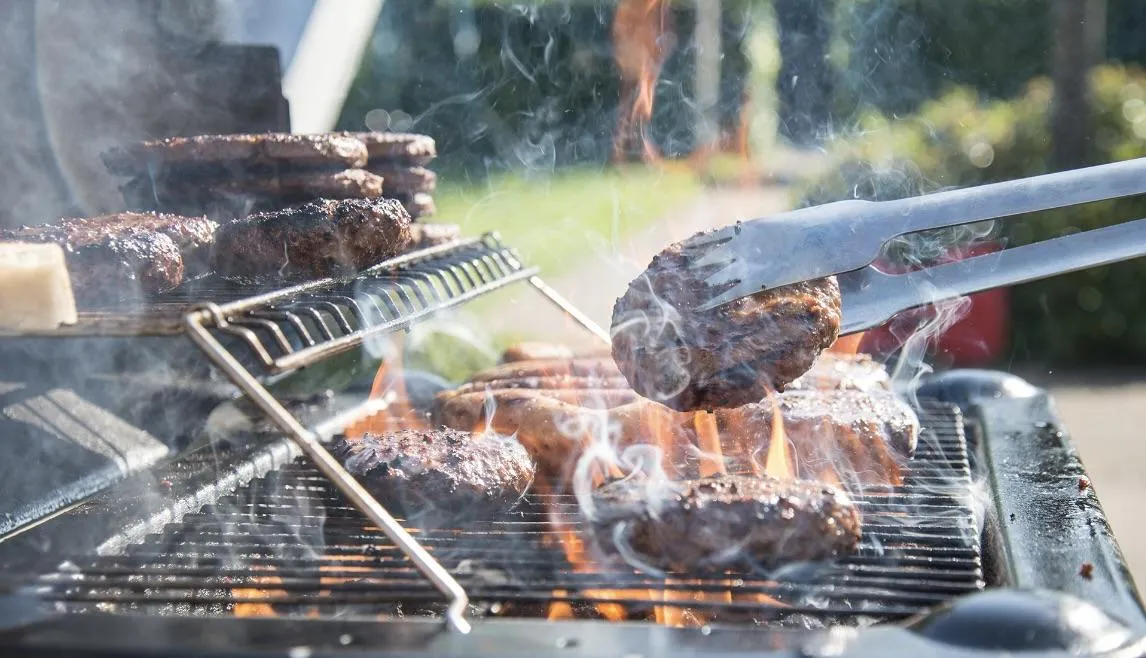
How To Grill Without Regret
Last week, several clients were talking about a local restaurant that's known for cooking their food over a charcoal grill.
We agreed that there's nothing like that charcoal flavor--and it brought back such happy memories from my childhood!--but there's that inconvenient truth about the unhealthy components left on food that's cooked over charcoal...
With Memorial Day just around the corner, here are some considerations for making your cookout a little healthier.
PAHs and HAAs
PAHs form when fat drips onto hot coals and the resulting smoke coats your food. HAAs develop when meat is cooked at high temperatures for extended periods. Both have been linked to increased cancer risk in research settings.
The fuel matters, but your technique matters more.
A poorly managed gas grill can produce harmful compounds, while a well-managed charcoal grill can significantly reduce them.
Whichever type of grill you use, these measures can make a significant difference:
Start with fully ashed coals. Cooking over coals that haven't fully ashed means more smoke and more harmful byproducts. Avoid using newspapers, pinecones, or resinous wood to start your fire—they release nasty chemicals. Stick to natural lump charcoal or clean-burning briquettes.
Raise the grate and reduce the drip. The further your food sits from the coals, the less direct heat and char it receives. Trim excess fat before grilling to reduce dripping. Dripping fat hitting hot coals is the primary source of PAH-laden smoke.
Use the two-zone method. Sear over high heat, then move food to the cooler side to finish cooking. On my gas grill, I'd turn both burners on until the grill was hot, then turn one side off and put the food on it. This not only reduces the time your food spends over intense direct heat, which is where HAAs form most aggressively, but it’s the secret to perfectly juicy chicken—no more dry, overcooked outsides with raw insides!
Marinades are a powerful ally. Marinades containing garlic, rosemary, thyme, or cayenne can reduce the formation of HAAs by up to 74%. The antioxidants in the herbs act as a protective barrier. Just a little bit of sugar in the mix can also enhance this protective effect.
Skip the processed meats when you can. Grilling bacon and sausages creates an additional concern, nitrosamines, which form when processed meats hit high heat. Save these for occasional treats rather than every cookout.
A Note on Aluminum Foil
Wrapping acidic or salty foods — marinated chicken, vegetables with lemon, seasoned fish — in foil can cause aluminum to leach into food.
Create a barrier by placing a sheet of parchment paper between the food and the foil.
Parchment paper shouldn't be exposed to direct flames or temperatures over 450 °, so it's best used when the food is wrapped or on the "cool" side of the grill.
It can be a juggling act, but it's important! Use separate plates and utensils for raw and cooked food. Even when they're marinating, keep the meats cold until they're ready to grill and cook poultry and pork thoroughly.
The flavor you love doesn't have to come with a side order of anxiety.
Fully ashed coals, a raised grate, a good marinade, and a two-zone cooking approach go a long way toward keeping your grill both delicious and defensible.
You don't have to give up your grill. You just have to use it...wait for it.....Smarter!
