The Probiotic Advice We've Always Heard Is Wrong
Last week my daughter was in the hospital on heavy-duty IV antibiotics. Now she's home, continuing oral antibiotics, and like any mom, I've been in full fix-it mode, trying to figure out how to help her bounce back as quickly as possible.
My first concern was getting her gut back to normal.
Taking antibiotics disrupts the microbiome by killing good bacteria alongside the bad. The impact to health can be serious and long lasting, leading to issues like obesity,diabetes,asthma, and other autoimmune conditions.
Probiotics? That's what everyone was telling me but I've read opinions to the contrary so I dove into the latest research...
The "Game Changer" Studies
Probiotics once were the recommended approach to restoring the microbiome.
Meanwhile, microbiome researchers thought over-the-counter probiotics were, at worst, a waste of money.
A series of papers (including a major study inJAMA) reported more disturbing results.
One study gave participants a 7-day course of antibiotics, then divided them into 3 groups:
one took a commercial probiotic for four weeks
one did nothing and waited
one received a fecal transplant from their own pre-antibiotic stool.
The group that didnothingrecovered their normal gut bacteria within 21 days.
The probiotic group?
Five months later, their microbiomes still hadn't fully recovered.
Commercial probiotics offer a one-size-fits-all solution to a problem that requires nuance. The microbial mix varies significantly from person to person. The handful of strains in a supplement bottle can't replicate the thousands of strains in a healthy gut.
The Bigger Problem....
For most healthy people, probiotics might be just expensive.
For certain populations the stakes are higher.
Cancer patients undergoing immunotherapy who took probiotic supplements wereup to 5 times less likelyto respond to their treatment than those who didn't take them.
Probiotic supplements seemed to reduce the microbiome diversity that supports immune function when patients needed it most.
The "Kudzu" of the Gut
Why would "good" bacteria be bad? Think of your gut like a massive, diverse rainforest with thousands of different species.
A commercial probiotic usually only contains a handful of strains. When you dump billions of these specific "seeds" into a forest that has just been cleared by antibiotics, they act like an invasive species—imagine kudzu in your gut.
They set up shop, thrive, andpreventyour native, diverse bacteria from growing back.
Diversity Matters
A healthy immune system depends on diversity.
If one "bug" drops out, a diverse system has others to take up the slack.
Cancer patients with diverse microbiomes respond better to treatment.
Patients who ate high-fiber diets did well, but those who took probioticsnegatedthose benefits because the supplements lowered their microbial diversity.
Here's what the experts recommend:
Focus on Fiber: Fiber is "prebiotic." It helps your good bacteria grow back. Emphasize fruits, vegetables, and whole grains.
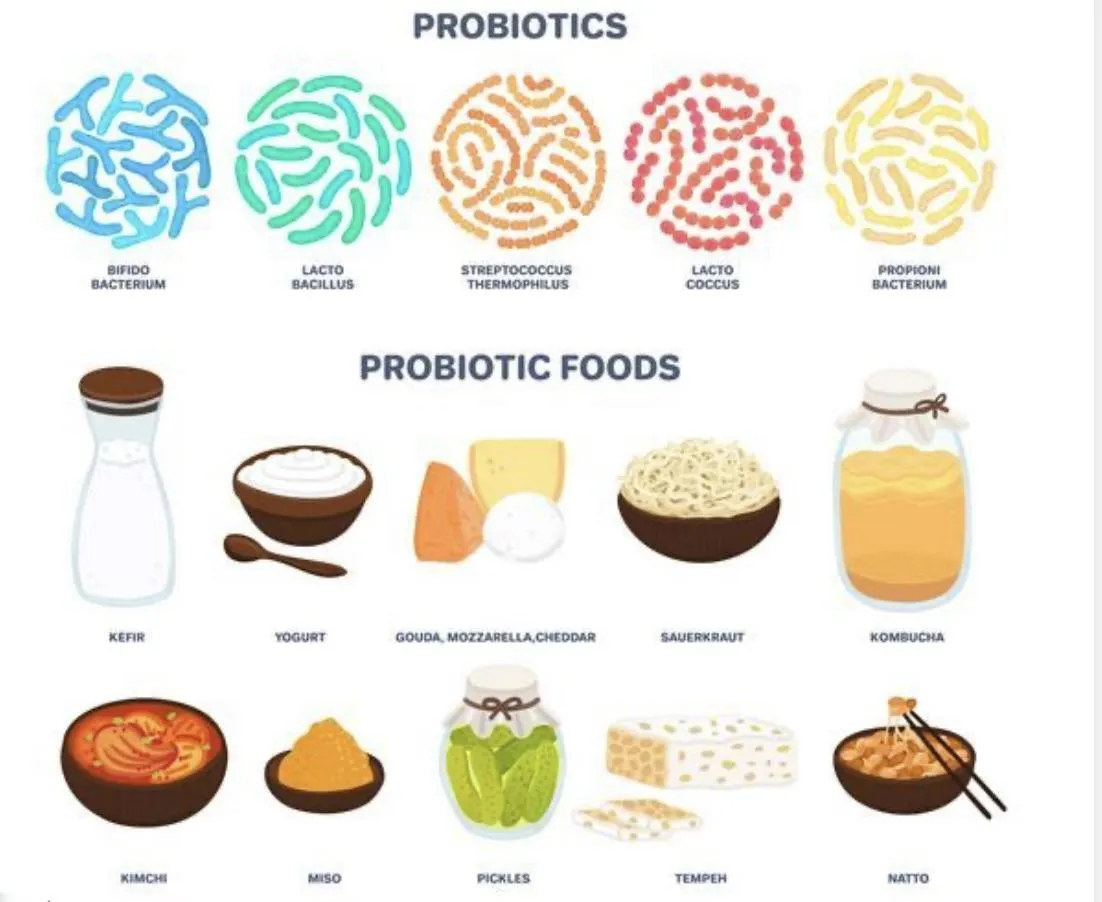
Fermented Foods: Yogurt, kefir, and kombucha are great, but their impact is temporary.
The "Wait and See" Approach: Sometimes the best thing you can do is give your body the time (and nutrients) to heal itself.
Probiotics are supplements so they aren't regulated by the FDA and their quality can vary.
Sometimes we try so hard to "fix" things with a pill that we disrupt our body's healing process.
We're skipping the supplement aisle and heading to the produce section....
