The Sun Doesn't Care What Your Clock Says
As I write this on Saturday night, I feel like it’s an early Christmas Eve. No, nothing to do with Halloween; we move our clocks back tonight and get an extra hour of sleep…or whatever we want to do with it. I love the feeling of looking at the clock on Sunday afternoon and thinking, “Woo-hoo! It’s not as late as I thought!”
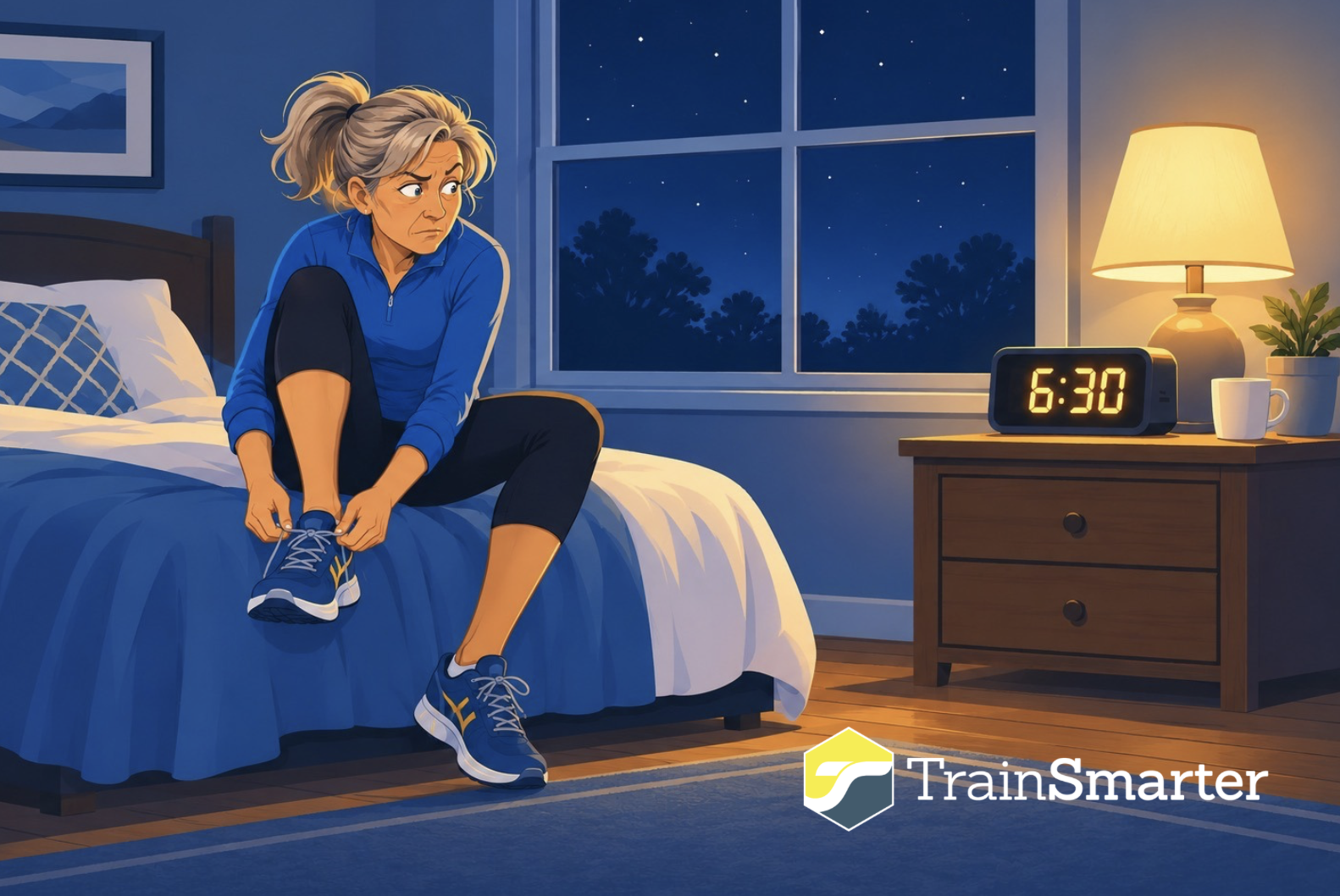
This morning was dark as night when I dragged myself out of bed. I even had to kill a little time waiting for it to get light enough to go out to run. There’s just something unnatural about that.
Unfortunately, there’s been yet another push to make "daylight shifting time" permanent. That's what I call it, because we're not saving anything. We're just shifting an hour of daylight from the morning to the evening.
In July, the House passed the Sunshine Protection Act 308-117. It still needs the Senate, but it’s being heavily promoted by entertainment businesses like restaurants, and the golf community has been lobbying hard for it.
I think permanent DST would be a mistake, and so do many experts.
Your body runs on the sun, not the clock
Light is the most powerful signal for your circadian rhythm. We’ve talked many times about the importance of respecting our body’s natural rhythm. Morning light wakes you up and anchors your day. Evening light delays the wind-down your body needs.
Johns Hopkins sleep researcher Adam Spira explains that during DST, we go to bed and wake up before our internal clocks are ready, and that misalignment lasts the entire season. His take on making DST permanent: it would lock that mismatch in year-round. As he puts it, “We function best when our sleep-wake cycle follows the sun. We get sleepy, due in part to melatonin release, when it gets dark. In the spring, when we switch to daylight saving time, we increase the amount of light we’re exposed to in the evening hours.”
Major medical organizations oppose it, including the American Academy of Sleep Medicine, American Academy of Neurology, and American Medical Association.
The American Academy of Sleep Medicine has said it favors permanent standard time, as do 63% of Americans.
The health implications of shifting daylight
Research summarized by Johns Hopkins links the spring switch to short-term increases in heart attack, stroke, and hospital admissions. A 2020 study found a 6% increase in fatal traffic accidents right after it. Chronic short sleep is tied to heart disease, increased inflammation, diabetes, obesity, and poorer mental health. Teens, in particular, struggle with it. After the spring change, one study found students sleepier, slower, and less attentive.
DST produces negligible to non-existent energy savings. In fact, extending the use of daylight hours encourages people to use more air conditioning and heating.
It was a disaster the last time we tried it
In 1974, Congress ran a permanent DST experiment. The trial period was supposed to last from January 1974 to April 1975.
It lasted until October.
It was repealed partly due to public outrage over the number of schoolchildren killed while waiting in the dark at bus stops.
A professor who lived through it as a kid in upstate New York remembers it feeling “like midnight” when he was getting ready for school. Other senators are raising the same alarm. Arkansas’s Tom Cotton warned of “dark and dismal” winters, and South Dakota’s Mike Rounds said parts of his state would be dark past 9:30 a.m.
Russia experimented with permanent daylight saving time. It failed after three years—and these are people who know a thing or two about long, dark winters!
Where you live matters
In areas along the western edges of time zones, the sun would not rise until after 9 a.m on some days, which is why senators from states like South Dakota are so worried.
As much as I hate getting up in the dark for weeks before the time change, I can’t imagine living in Louisville, KY, where I watched the sun come up at about 8:30. Imagine trying to get kids up and off to school!
Besides the sleepiness factor, I hate how dark mornings make exercising challenging. I’m terrified I’ll step on a copperhead in the dark. They come out to the streets at night because it’s warmer there. Speaking as a woman who runs alone, it just doesn’t feel safe.
My daughter suffered a nasty fall because she couldn’t see a pothole in the road.
“But I hate when it gets dark so early.”
I hear this all the time. You have to remember, the sun sets early in December, regardless of what we do with our clocks. Our biological rhythm isn’t just daily, it’s also seasonal. Winter is a time of rest after the work of the other seasons. Your body should be winding down.
I do wonder what everyone is doing in their evenings, because light or dark doesn’t affect anything I do. Tell me what I’m missing!
Permanent standard time is what the sleep experts want, and I’d happily take it. But if I ruled the world, I’d compromise with a spring forward in April and turn the clocks back in September. That would give us light in the morning, and the golfers and restauranteurs could still have their longer days.
When they put me in charge, I’ll be sure to let you know!
